- Integrated protocol
- ADHD
- Autism Spectrum Disorder
- Depression & Anxiety
Cynaptic Therapy™
Brain stimulation, neurofeedback and therapy, planned together by one clinical team.

How it works
- 1
Assess
A full clinical assessment, with qEEG where useful.
- 2
Plan
The team picks only the parts that suit you.
- 3
Treat
Sessions run side by side, each safety-screened.
- 4
Review
Progress is reviewed together, and the plan adjusted.
Honest about what's proven.
Established treatments
Each part has its own published evidence and safety profile.
Not yet trialled as one protocol
It's a coordinated way to deliver proven treatments, not a separately proven treatment.
Screened before you start
Metal implants near the head, implanted devices, seizure history and pregnancy are checked first.
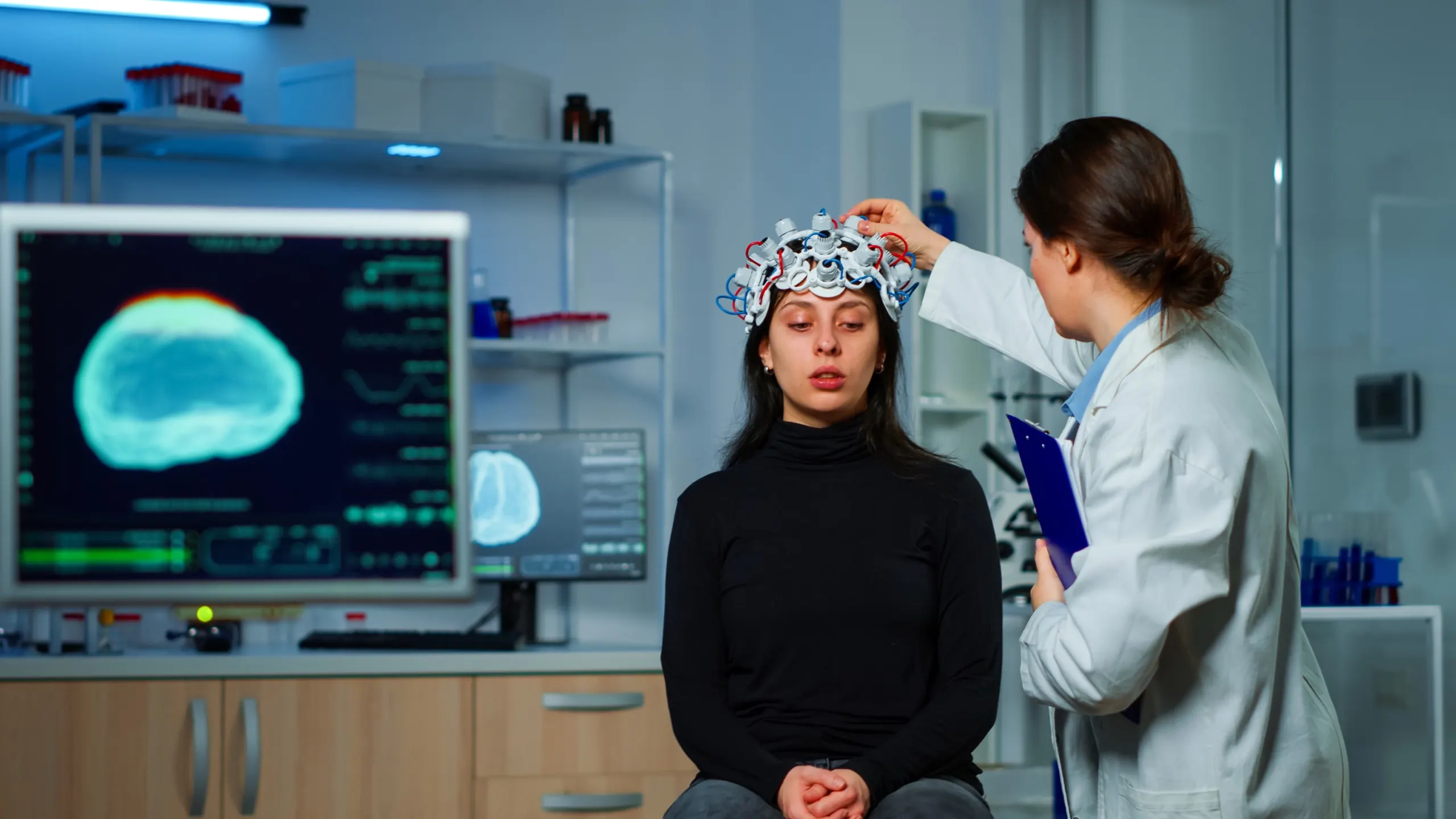
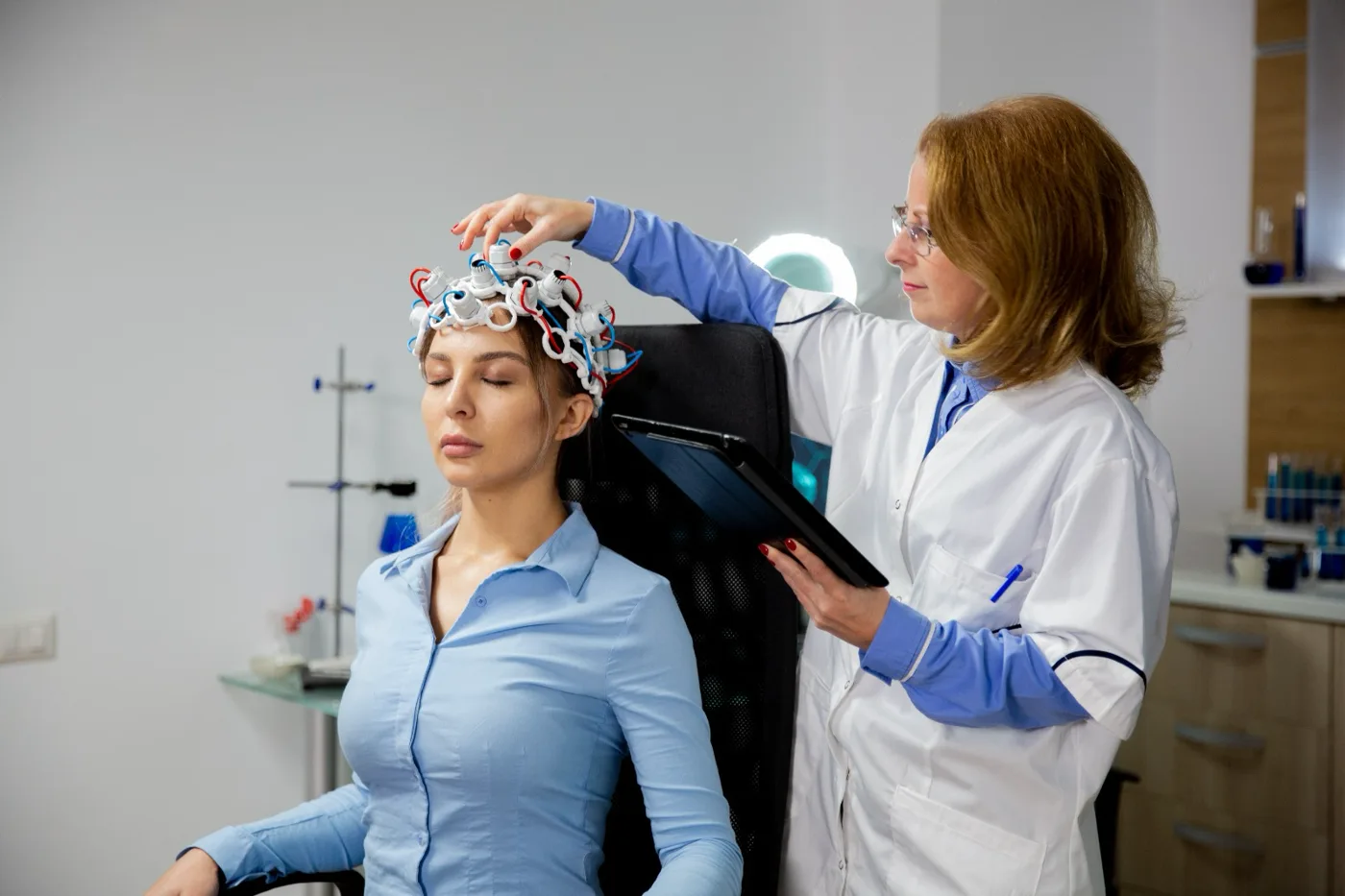
Cynaptic Therapy™ is a coordinated treatment protocol designed at Brain Bridge Clinic. Rather than offering a single technique, it brings three established approaches into one plan: non-invasive neuromodulation (rTMS, TPS, tDCS, taVNS or CES) to influence activity in specific brain networks; qEEG brain mapping and neurofeedback to measure and train patterns of brain activity; and structured psychotherapy (CBT, DBT or EMDR) to build the skills and habits that support lasting change. The working principle is that brain-based and behavioural treatments are planned together, with each informing the other, instead of being delivered in isolation.
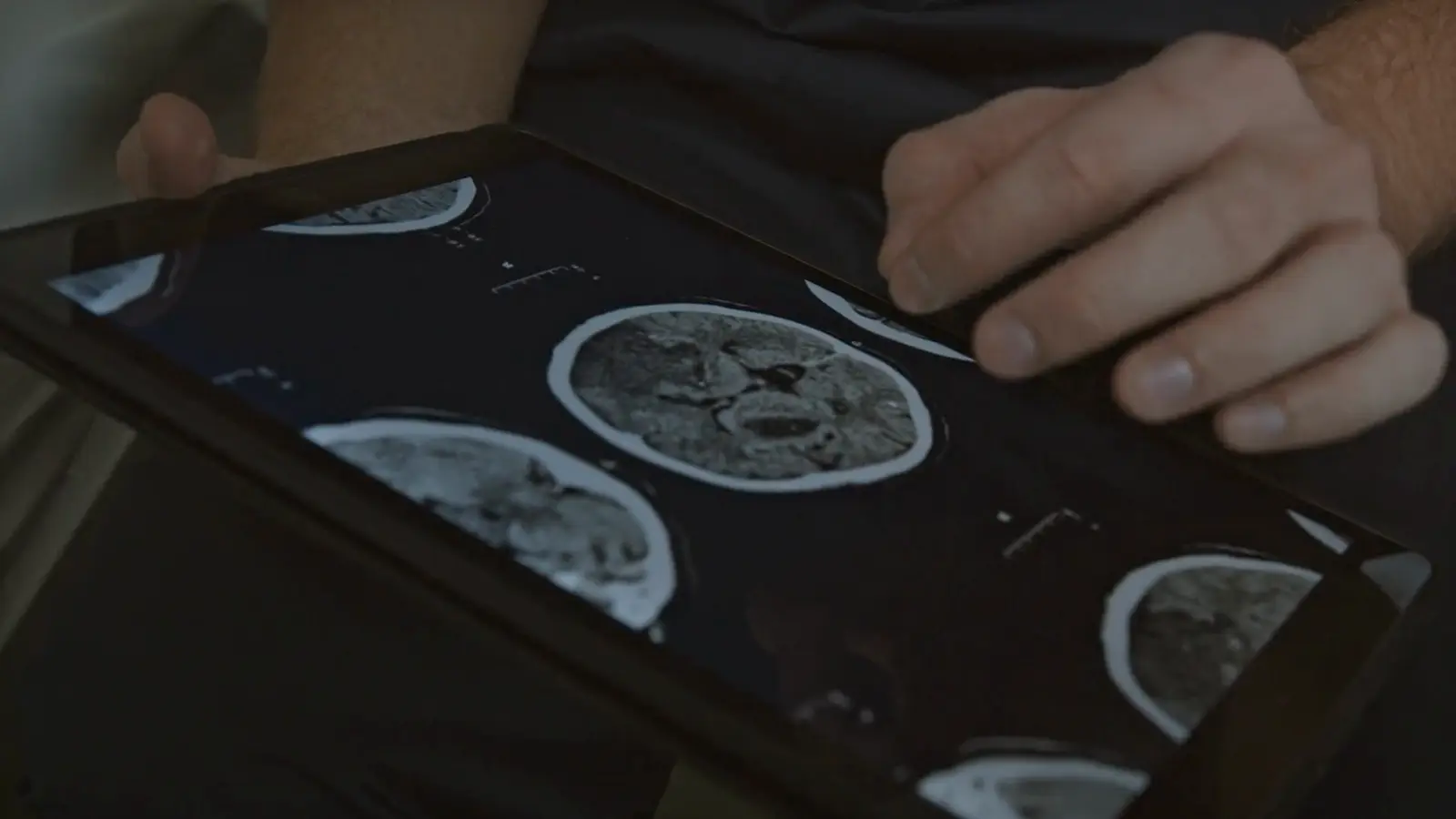
Care begins with a psychiatric or neurological assessment, standardised psychological measures where relevant, and qEEG brain mapping when it is clinically useful. From these, the clinical team selects which components are appropriate. Not every person receives every technique. Neuromodulation and neurofeedback sessions are scheduled alongside psychotherapy, and progress is reviewed at set points so the plan can be adjusted or stopped. Each component follows its own safety screening and session protocol, described on its individual treatment page.
Each component has its own evidence base and safety profile, linked from its treatment page and summarised in the references below. The combined Cynaptic protocol has not itself been tested in a published clinical trial, so it is offered as a coordinated way of delivering evidence-based treatments, not as a treatment with separately proven results. Neuromodulation is not suitable for everyone. Metal implants near the head, implanted electronic devices, a history of seizures, and pregnancy are screened for before treatment.
Brain Bridge offers neuromodulation, neurofeedback and psychotherapy under one roof, so a single clinical team can plan and review them together. Cynaptic Therapy is that coordination made explicit: one assessment, one plan, and shared review across disciplines. Outcomes vary between individuals, and no specific result is promised.
Good to know
Cynaptic Therapy™ is an integrated treatment protocol developed at Brain Bridge Clinic, New Delhi. It combines non-invasive neuromodulation (rTMS, TPS, tDCS, taVNS or CES), qEEG brain mapping and neurofeedback, and structured psychotherapy (CBT, DBT or EMDR) into one coordinated plan, chosen for each person after a full assessment.
It is currently offered for ADHD, autism spectrum disorder, and depression and anxiety, in children, adolescents and adults as clinically appropriate. Whether it suits you, and which components it includes, is decided only after a clinical assessment.
No new device or drug is involved. Each component is an established technique with its own published evidence, used within its approved indications. What Cynaptic Therapy adds is the coordination: the components are planned, sequenced and reviewed together by one clinical team rather than delivered separately. The combined protocol itself has not been evaluated in a published trial.
Stand-alone treatments are usually delivered and reviewed in isolation. In Cynaptic Therapy, assessment findings, including qEEG where it is used, inform which neuromodulation and psychotherapy components are combined, and progress on all of them is reviewed together so the plan can be adjusted.
Cynaptic Therapy is delivered at Brain Bridge Clinic, A2/25, Safdarjung Enclave, New Delhi. Treatment starts with an in-person assessment.

Start with one assessment.
We'll tell you honestly whether Cynaptic Therapy suits you.
Book an assessment